





















How to Chill Champagne Fast Without a Freezer: The 20-Minute Rule
It happens to everyone. The guests are twenty minutes away, the champagne has been sitting at room temperature since Tuesday, and someone suggests putting it in the freezer. Do not put it in the freezer. There is a better method — faster than most people expect, grounded in basic physics, and reliable enough to become the only approach you will ever need.
This is the salt-ice-water method. Done correctly, it brings a room temperature bottle to the ideal serving temperature in around 20 minutes without touching a freezer, without damaging the bubbles, and without the specific anxiety of wondering whether you have left it too long.
Key Takeaways
- Ice water chills a bottle roughly four times faster than ice alone — liquid conducts heat away from glass far more efficiently than air pockets between cubes
- Adding salt lowers the freezing point of the water, creating a slurry that is measurably colder than plain ice water
- The freezer is not a shortcut — champagne under pressure risks CO₂ over-pressurisation, cork ejection and bubble damage
- The ideal serving temperature for non-vintage champagne is 8 to 10°C — cold enough to preserve the mousse, warm enough to let the aromas come through
- Getting champagne cold and keeping it cold are two different problems — the right bucket solves both
Why the Freezer Is a Bad Idea
The instinct is understandable. The freezer is cold, it is right there, and 20 minutes sounds reasonable. The problem is that champagne is not ordinary wine. Every bottle contains carbon dioxide held under approximately 5.5 to 6.5 atmospheres of pressure — roughly three times the pressure inside a car tyre. When that bottle is exposed to rapid, uneven temperature change, the CO₂ behaves unpredictably.

In practice this means two things. First, a real if small risk of cork ejection or, at the extreme end, bottle failure. Second, and far more commonly, damage to the bubbles themselves. Champagne chilled too quickly produces larger, coarser bubbles that collapse faster in the glass and deliver noticeably less mousse — that fine, persistent effervescence that distinguishes good champagne from a glass of fizz. The freezer solves the temperature problem while creating a different one. There is a better way.
The Science Behind the 20-Minute Method
The reason most people reach for the freezer is that they assume ice alone is the fastest chilling option outside it. It is not — and the reason comes down to a simple principle of heat transfer.
When a warm bottle sits surrounded by ice cubes, the cooling happens through contact between the glass and the ice surface. But ice cubes leave air gaps, and air is a poor conductor of heat. Add cold water to the bucket and the bottle is now surrounded by liquid on all sides. Water conducts heat away from the glass approximately four times faster than air, which is why an ice-water bath outperforms ice alone by a considerable margin.
Salt takes this further. Adding salt to the water lowers its freezing point — a property known as freezing point depression — which means the ice-water mixture can drop to temperatures below 0°C without fully freezing. The result is a slurry that is colder than plain ice water and maintains that temperature as the ice melts, rather than warming up as it would otherwise.
The three elements together create a heat-transfer environment that is faster, safer and more controllable than any freezer method.
| Method | Approximate chill time | Notes |
|---|---|---|
| Fridge from room temperature | 3 to 4 hours | Best if you have the time |
| Ice only in bucket | 25 to 30 minutes | Better than fridge, worse than ice water |
| Ice and water in bucket | 15 to 20 minutes | The reliable standard method |
| Salt, ice and water slurry | 12 to 15 minutes | Fastest safe method |
| Freezer | 20 to 30 minutes | Risk of CO₂ damage and cork ejection |
The Method, Step by Step
This takes less time to do than it does to read about. Here is exactly what to do:
1. Start with cold water, not ice Fill your champagne bucket roughly one third of the way with cold tap water. Adding the water first means the salt dissolves properly rather than sitting at the bottom.
2. Add the salt A generous handful of table salt — roughly three to four tablespoons — is enough to make a meaningful difference. Stir briefly to dissolve before adding ice.
3. Fill with ice Add ice until the bucket is full enough that the bottle will be completely submerged when placed inside. The entire bottle — including the neck — should be in contact with the slurry. A bottle sitting with its shoulders above the ice line will chill unevenly.
4. Place the bottle horizontally Horizontal orientation maximises the surface area of the bottle in contact with the cold liquid, which accelerates the process. If your bucket is too narrow for this, upright is fine — just ensure full submersion.
5. Wait 15 to 20 minutes Resist the urge to check it at ten minutes. The physics need time to work. If you want to accelerate further, rotate the bottle gently in the slurry every few minutes — the movement disrupts the thin layer of slightly warmer water that forms against the glass and replaces it with fresh cold liquid.
6. Dry and serve Lift the bottle, dry it briefly, and open with control rather than theatre — a gentle twist of the bottle against the cork, not the other way around.
Keeping It Cold Once It Is Open
Getting the champagne to temperature is the first problem. Keeping it there once the bottle is open and the afternoon is under way is the second, and it is the one that catches people out — particularly outdoors in summer.
A standard ice bucket with cubes and no water will keep an open bottle cold for roughly 20 to 30 minutes before the ice melts and the remaining liquid begins to warm. Apply the same ice-water principle inside the serving bucket and you extend that meaningfully — the water maintains contact with the bottle continuously rather than leaving air gaps as the ice settles.

The bucket itself matters too. A thin-walled standard ice bucket loses temperature quickly in warm ambient conditions. A properly constructed champagne bucket with insulated walls maintains the cold environment for considerably longer — the difference between a bottle that is still properly chilled at the third pour and one that is noticeably warmer by the second.
"The right champagne bucket is not just for getting it cold — it is for keeping it cold through the whole afternoon."
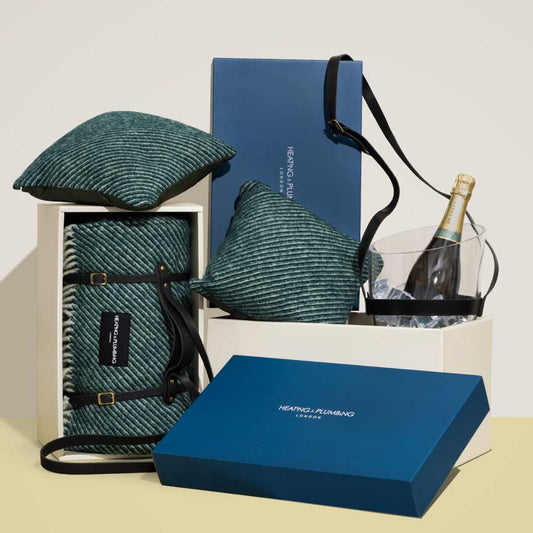
H&P's champagne buckets are designed specifically for outdoor entertaining — built to maintain temperature across a long summer session rather than just the first fifteen minutes. For garden parties, riverbanks and opera intervals alike, that distinction is the one that matters.
What Temperature Are We Actually Aiming For?
The 20-minute method gets you to the right place — but it helps to know exactly where that is.
| Style | Ideal serving temperature | Why |
|---|---|---|
| Non-vintage champagne | 8 to 10°C | Preserves freshness and fine mousse |
| Vintage champagne | 10 to 12°C | Slightly warmer allows complexity to open |
| Rosé champagne | 10°C | Balances fruit expression with effervescence |
| Prestige cuvée | 10 to 12°C | Treat as vintage — give it room to breathe |
One common mistake is serving champagne too cold, particularly with vintage bottles. Below 7°C, aromas are suppressed and the wine tastes flat and one-dimensional regardless of its quality. The goal is cold enough to preserve the bubbles and the freshness — not so cold that the wine cannot express itself.
For a full guide to serving temperature by champagne style, including the difference between vintage and non-vintage and how temperature affects the pour, see our companion post on champagne serving temperatures.
Champagne Chilling FAQs
How long does it take to chill champagne in an ice bucket?
With ice alone, around 25 to 30 minutes. With a mix of ice and cold water, 15 to 20 minutes. Adding salt to the ice-water mix reduces this further to around 12 to 15 minutes. In all cases the bottle should be fully submerged rather than sitting with its base in ice at the bottom of the bucket.
Can you put champagne in the freezer to chill it quickly?
It is not recommended. Champagne is held under significant internal pressure, and rapid temperature change risks CO₂ over-pressurisation, which can cause cork ejection or, in rare cases, bottle failure. More commonly it damages the bubble structure, producing coarser, shorter-lived effervescence. The salt-ice-water method is faster than most people expect and carries none of these risks.
Does salt actually make ice colder?
Yes. Salt lowers the freezing point of water through a process called freezing point depression, which allows the ice-water mixture to reach temperatures below 0°C. This makes the chilling environment measurably colder than plain ice water and accelerates the rate at which heat is drawn away from the bottle.
What is the correct temperature to serve champagne?
Non-vintage champagne is best served at 8 to 10°C. Vintage and prestige cuvées benefit from being slightly warmer — around 10 to 12°C — to allow their complexity to come through. Serving too cold suppresses aroma and flavour; serving too warm produces larger bubbles and a flatter feel in the glass.
How do you keep champagne cold outdoors?
Keep the bottle in an ice-water mix rather than ice alone — liquid maintains continuous contact with the glass and chills more consistently. An insulated champagne bucket significantly extends the time the bottle stays cold compared to a standard uninsulated bucket, particularly in warm ambient conditions. Keep the bucket out of direct sunlight and return the bottle between pours rather than leaving it on the table.
The Last Word
The best champagne moment is the one where nobody notices the logistics — where the glass arrives cold, the bubbles are fine and persistent, and the afternoon proceeds without incident. The salt-ice-water method is how that happens when planning falls short of perfection, which is most of the time. Twenty minutes, a handful of salt and the right bucket. That is all it takes.