

















Gifts for Someone Who Has Everything: A Guide That Starts With the Right Question
You know the one. The relative who already owns two of everything, opens the parcel, says "oh, you shouldn't have," and means every word of it.
So you search harder. More lists, more grids, more products, and somewhere around the fortieth novelty gadget you close the tab no wiser than when you opened it. The trouble is not your shortlist. It is the question.
Because gifts for someone who has everything are only hard to find if you accept the premise, and the premise is wrong.
"Has everything" almost never means "wants nothing". It means they buy their own things, and they have quietly stopped expecting to be surprised.

That makes this a diagnostic problem rather than a shopping one, and diagnosis is learnable. What follows: five ways of choosing that reliably work, the occasions that need their own answer, what to avoid, what to spend, and the bit nobody writes about, which is how you hand it over.
Get the question right and the gift very nearly picks itself.
1. First, Work Out What They Have Actually Stopped Buying
Twenty minutes of scrolling, three tabs open, nothing saved. That is what happens when you search categories instead of studying a person.
Someone who "has everything" has usually just automated their own shopping. They replace what breaks, they buy the mid-range version without thinking, and they have stopped putting anything on a mental list. What is missing is not objects. It is anything they are waiting for.
So drop "what do they not own?" and ask two better questions:
-
What do they use constantly and have never upgraded?
-
What would they enjoy but never justify spending on?
One trap before we start. The harder you hunt for something unusual, the more likely you are to come home with a novelty, and novelty is the most reliable way to produce an unwanted gift. More on that in item 10.
The verdict: the person who has everything is not hard to buy for. They are hard to guess for. The rest of this guide is how to stop guessing.
2. Upgrade Something They Already Use Every Day
Picture their hallway. Now picture the tired thing in it that still technically works, so they have never replaced it. That is your gift, found in thirty seconds.
Find an object they touch most days, own a mediocre version of, and would never think to replace. It gets used immediately and keeps paying out, which is the mechanism behind the research titled "The Unsung Benefits of Material Things": material purchases deliver happiness more often than one-off experiences.
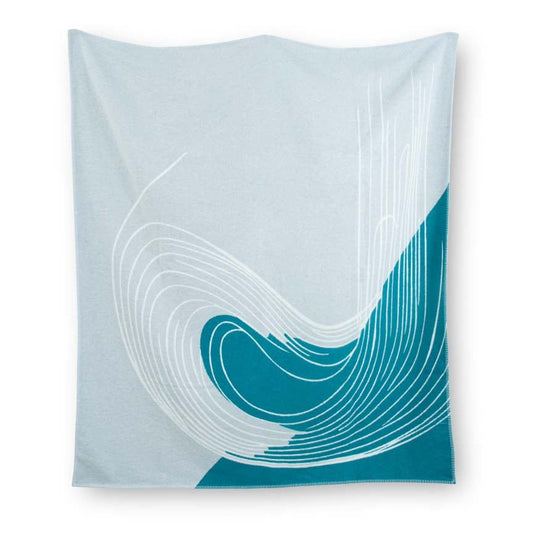
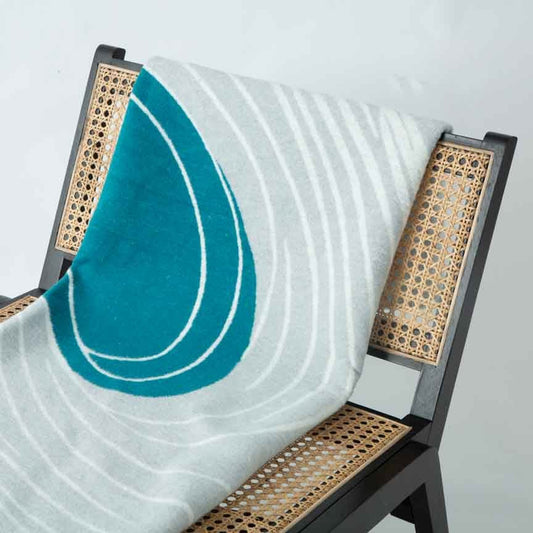
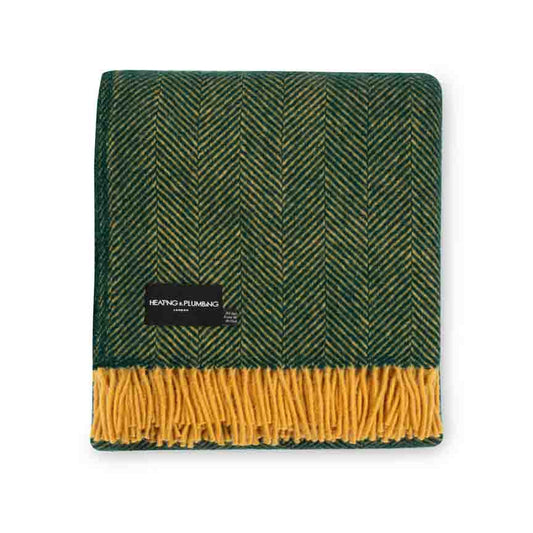
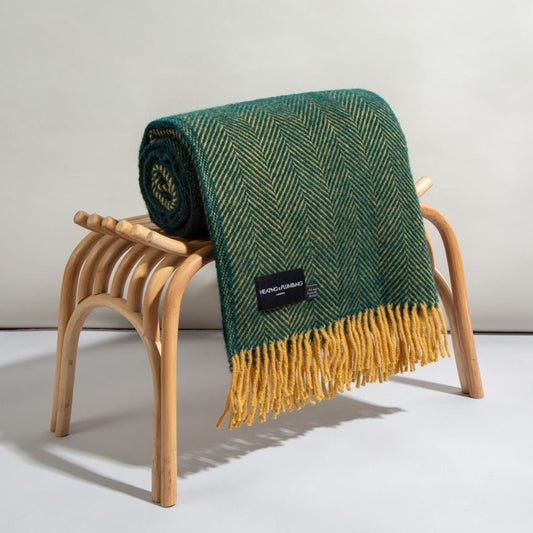
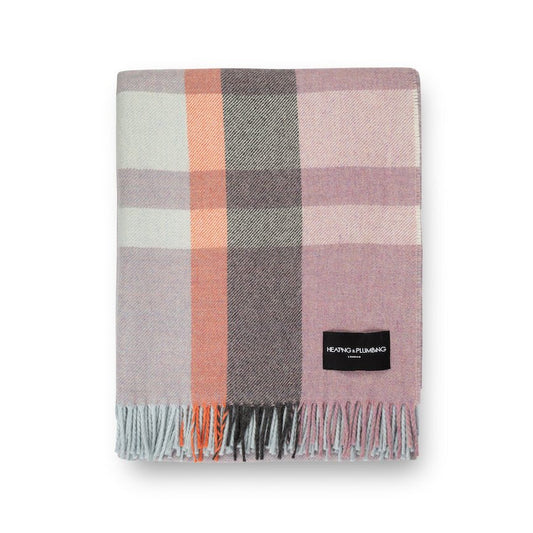
Candidates are dull on paper and excellent in practice: the umbrella, the wallet or card holder, the blanket on the back of the sofa, properly good socks.
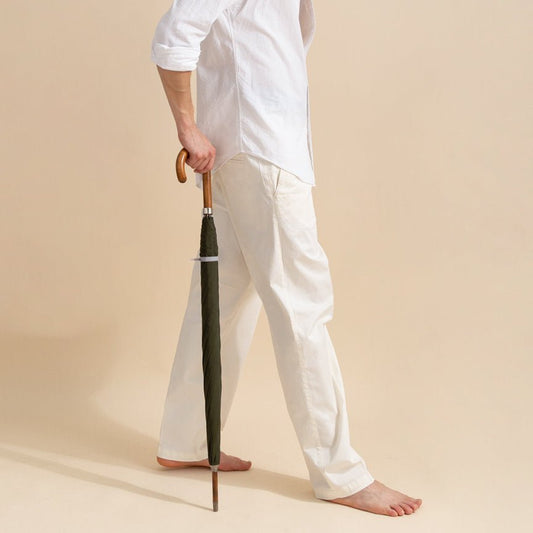
Almost everyone owns a bad umbrella. Almost nobody buys themselves a good one. Ours run to £145 for a walking umbrella on a beechwood shaft with a hand-scorched maple crook handle, lovingly made in London, and £110 for the folding version, made and assembled in England. The British umbrella collection exists for exactly that gap.
Best for the parent who replaces nothing until it breaks. Skip if they are mid-declutter.
3. Buy Something That Gets Used Up
The best gift for someone with everything might be one that stops existing by February.
A consumable cannot be a mistake for long. No storage cost, no obligation to display it, no awkward question about where it went. For a recipient who ran out of shelf space several Christmases ago, that is the whole appeal.

The bar is higher than it looks. A consumable still has to beat what they buy themselves. Supermarket biscuits are not a gift. The thing they would not spend that much on is: good champagne, single-estate coffee, proper olive oil.
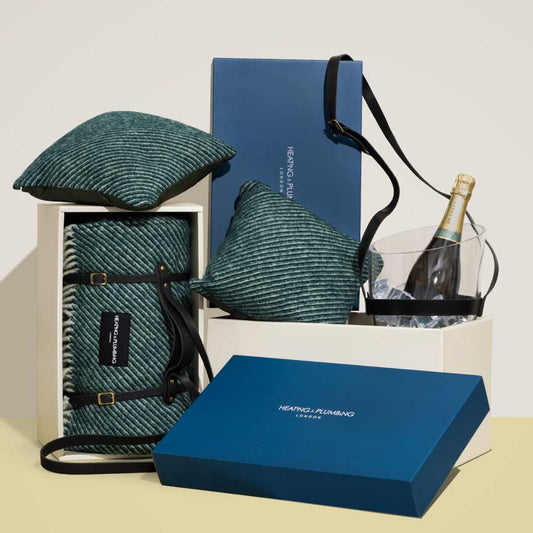
Pair the thing that vanishes with the thing that stays. A bottle plus a champagne bucket means half the gift disappears and half of it turns up at every celebration for a decade.
A £40 bottle they will open beats a £40 ornament they will find room for.
4. Find the Thing They Want but Would Never Justify
The gift they remember is usually one they already refused themselves.
Almost everyone has a private line they will not cross on their own money. It is rarely about affordability. It is about permission. The £145 umbrella, the proper luggage, the coat they looked at twice and walked away from. A gift crosses that line on their behalf, which is a thing only a gift can do.
Spotting it: they have mentioned it more than once, they have looked it up, and they have talked themselves out of it out loud, usually in front of you.
Which is why the gift-rule categories need adapting for adults. Sources on the five gift rule note that "something they need" and "something to experience" carry the most weight with adults, because adults already buy their own wants.
If you remember one line from this guide: stop looking for something they lack, and start looking for something they have refused.
5. Buy Something With a Real Person Behind It
93% of British consumers say they would pay more for a UK-made product and 50% prefer buying British, yet only 13% always look for it and 35% rarely notice the label.
People want British-made and do not go looking for it. Which is why receiving one lands as a small surprise rather than a lecture.
Check a signal rather than a vibe. The "Made in Britain" collective trademark is a real registered certification mark, recognised by roughly half of UK adults. Otherwise, look for a named workshop or town. "Designed in Britain" is a different claim wearing a similar coat.
A mass-produced object can be bought again by anyone, including the recipient. Something hand-assembled by a small team carries a story that surfaces every time it is used. Ours are hand-assembled in London and England.
The verdict: a maker and a place are the only two things about a gift that cannot be duplicated.
6. Give Something You Do Together (and the Honest Catch)
You have been told to buy experiences, not things. The research says yes, and also no.
For the experiences: Chan and Mogilner, in the Journal of Consumer Research, found experiential gifts strengthen the bond between giver and recipient more than material ones do. An experience is harder to compare, so it reads as personal rather than transactional.
For the objects: the research titled "The Unsung Benefits of Material Things" found material purchases deliver happiness more often, in smaller doses. Experiences deliver bigger spikes, less often.

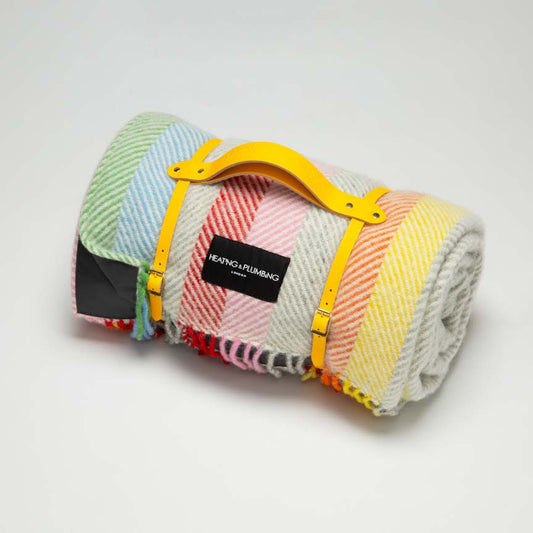
So the rule is not experiences over objects. It is: what do you want this gift to do? If the point is the two of you, buy the shared day. If the point is that they think of you on a wet Tuesday, buy the object they will hold on a wet Tuesday. Best is both at once, an object used during the thing you do together, which is quietly why picnic blankets exist.
The shared day buys the memory. The everyday object buys five years of small reminders.
7. Gifts for the Man Who Has Everything
Search this exact phrase and you get a wall of novelty tech and gag gifts. Biggest laugh in the room on the day, cupboard by February.
The strategies above still apply, with male-skewed specifics. The everyday upgrade is strongest: a full-length walking umbrella at £145 for the golfer, the dog walker or the platform-in-the-rain commuter, or a leather card holder replacing the wallet he has carried for fifteen years. Then the consumable he would not buy himself, and the shared day, booked rather than vaguely promised.
Notice what survives in the big gift guides. Past the drone and the smart mug, the items people remember are everyday-object upgrades: the leather valet tray, the good towels, the linen sheets. The tech gets the thumbnail. The dull thing gets used.
Best for the man who buys his own gadgets and none of his own nice things. Skip if he is a serious hobbyist, in which case ask someone from the club.
8. Wedding and Anniversary Gifts for the Couple Who Has Everything
They moved in together six years before the wedding. They own three toasters, two kettles and a spiraliser nobody claims responsibility for.
The registry existed to set up a home from nothing, and that logic has collapsed. UK gift lists have shifted with it: cash funds for honeymoons, house deposits and experiences take a steadily bigger share, and guests are increasingly happy to be pointed at a list.
The money question has no single answer. Bridebook puts a UK physical wedding gift at roughly £40 to £100. CashLady, citing Bloom & Wild research, puts a typical cash gift nearer £25 to £49.
If there is a list, use it, because a list means they told you. If not, two moves work: the shared experience from item 6, or the upgrade of something they own two mediocre versions of. A picnic blanket or a champagne bucket sits neatly here, an object a couple uses together.
The list item is the safe thank-you. The thing they use together is still on the table in ten years.
9. Retirement, Milestone Birthdays and Other Gifts That Have to Land
The retirement do, the sixtieth, the leaving speech. A card will not cut it, and whatever you bought is about to be unwrapped in front of an audience.
These occasions are different because the gift is public and meant to mark something. A voucher marks nothing. What is needed is an object with a bit of weight to it, literally and otherwise, and these are the occasions where duplicate gifts cluster hardest (item 10).

Retirement is where people expect an engraved plaque. We personalise differently: the colourway chosen for them, a handwritten card, the price slip left out. Engraved plates are a corporate and bulk option, covered in item 14.
So give them something for the phase of life they are entering, not the one they are leaving. Buy the newly retired the £145 walking umbrella. They will use it within the week.
10. What Not to Buy: The Gifts That End Up in a Cupboard
49% of UK adults pretend to love a gift they do not like. 29% receive an unwanted gift from the same person every year. Read those together and the horror arrives: the giver never finds out, so they keep going.
Both figures come from an Oxfam survey of 2,772 UK adults, which also found 40% of people receive between one and five unwanted gifts a year.
The named offenders:
-
Soaps and bath bombs (28%)
-
Moisturiser (22%)
-
Jumpers (17%)
-
Candles (17%)
They fail the same test. Each is something the recipient already buys for themselves, to their own taste.
Time Out London asked Londoners for the worst present they had received. "A can of Foster's." "An air freshener. It wasn't even a fancy one!" "Chocolates from inside an Easter egg... for Christmas."
The verdict: if a gift is something they already buy, already own, or must find space for, put it down. Nobody will ever tell you it missed.
11. How Much Should You Actually Spend?
Settle this in one line. For someone who has everything, spend does not buy impressiveness, because they can outspend you on their own things. What it buys is quality that outlasts the occasion. One good thing beats three adequate ones.
Honest UK figures, because the ranges vary:
|
Occasion |
Typical UK range |
Source |
|
Wedding gift (physical) |
£40 to £100 |
Bridebook |
|
Wedding gift (cash) |
£25 to £49 |
CashLady, citing Bloom & Wild |
|
Colleague thank-you |
£5 to £25 |
Huggg UK corporate gifting guide |
|
Milestone or key-client gift |
£50 to £150 |
Huggg UK corporate gifting guide |
60% of UK wedding guests admit feeling pressure to overspend (CashLady, citing Bloom & Wild). You are allowed to ignore it.
Shipping is free on UK mainland orders over £100, and overnight delivery exists for anyone who has left this late.
12. How to Find Out What They Actually Want Without Asking
The best intelligence you have is already in your phone, and you can check it before you finish this article.
People announce their wants constantly and then forget they did. The thing mentioned twice in October. The link sent months ago with no comment. The complaint about something broken. Scroll back through the messages and the answer is usually there, in their own words.
Then ask the person next to them rather than the person themselves. A partner, a sibling or a close colleague almost always knows the refused purchase from item 4.
And watch the objects, not the conversation. What is worn out. What is held together. What they replace with the cheapest version every time. That last one is the tell for the everyday upgrade.
Do the message scroll first. It takes four minutes and beats every gift list on the internet, including this one.
13. The Bit Nobody Writes About: Wrapping, the Card and Hiding the Price
Wrapping a gift beautifully can make a close friend like it less.
Rixom, Rixom and Mas, in the Journal of Consumer Psychology, found neat wrapping raises the recipient's expectations. With a close friend, that works against the gift inside. With an acquaintance it reliably helps, because the care reads as a positive relationship signal that transfers onto the gift.
The practical reading: the further you are from the recipient, the more the presentation does. It matters most for colleagues, clients and the person who has everything.

Three things cost nothing and change the handover. Write the card by hand. Leave the price out of the parcel, receipts included. And give it when there is time to look at it properly, not in a doorway with a taxi running.
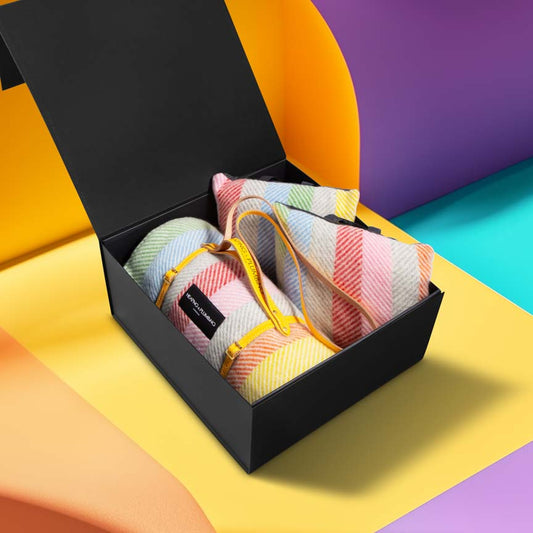
That is most of our gifting service: we handwrite the card, with love, keep prices off the parcel, and help you choose a colourway that suits the person rather than the catalogue.
The verdict: presentation is not the finishing touch. It is a good half of the gift.
14. If You Are Buying for Clients or Staff
The wrapping research from item 13 has a commercial reading: presentation matters more for acquaintances than for close friends, and a client is an acquaintance. Your presentation budget is where the effect lives.
The UK bands: £5 to £25 for employee thank-yous, £50 to £150 for milestones and key clients. Keep branding subtle, because a heavily logo'd item reads as merchandise. Corporate gifts should stay proportionate under the Bribery Act 2010.
Corporate and bulk orders are where genuine bespoke personalisation lives with us: a custom handle, a custom canopy colour, engraved plates carrying the company name. Not available on single gift orders, worth knowing before you promise anyone an engraving.
Order fewer, spend more per piece, send them to the right people. One umbrella someone still carries in 2031 beats fifty that never left the box.
FAQ
What is a good gift to give someone that has everything?
An upgrade of something they use daily and have never replaced. Ask what they touch most days but own a mediocre version of, and what they would enjoy but never justify buying. A worn-out wallet, a broken umbrella or an ageing sofa throw all answer the first question, and all get used immediately rather than stored.
What to buy someone who literally has everything?
Something that gets used up, or something you do together. A consumable removes the storage problem entirely, which matters for a recipient with no shelf space left, as long as it beats what they buy themselves. Research by Chan and Mogilner found experiential gifts strengthen the giver-recipient relationship more than material ones, so a shared day is rarely wasted.
What is the 5 gift rule for adults?
One gift from each of five categories: something they want, something they need, something to wear, something to read, and something to experience or do. It has no single named inventor. It evolved from an earlier four-gift rule (want, need, wear, read) that spread on social media, with the fifth experience category added later as a community variant. For adults, need and experience carry the most weight.
How much should you spend on a wedding gift in the UK?
There is no fixed figure, and the sources genuinely disagree. Bridebook puts physical wedding gifts at roughly £40 to £100, while CashLady, citing Bloom & Wild research, puts typical cash gifts between £25 and £49. Scale to how close you are to the couple and to your own budget rather than to a number you read somewhere.
What should you never buy someone who has everything?
The categories UK recipients most often report as unwanted. An Oxfam survey found soaps and bath products (28%), moisturiser (22%), and jumpers and candles (17% each) top the list, alongside novelty items and anything needing storage space. The sting: 49% pretend to like a gift they dislike, so you will almost certainly never be told.
Does it matter how you wrap a gift?
Yes, though not the way most people assume. Rixom, Rixom and Mas, in the Journal of Consumer Psychology, found neat wrapping raises expectations, which can slightly backfire with close friends, while it reliably helps with acquaintances and colleagues. Wrap carefully for anyone you are not close to, and always leave the price out of the parcel.