

















How Long Does Champagne Last? Storing and Keeping Bubbly Fresh
Somewhere in most homes, there's a bottle of champagne waiting for the right moment. A gift you were saving. A celebration that quietly rescheduled itself to next year. And now you're eyeing it in the cupboard, wondering whether it's still any good.
Happily, champagne doesn't turn like a pint of milk. So how long champagne lasts unopened is less a question of safety and more a question of catching it at its best. Kept somewhere cool and dark, an unopened bottle will see out several years without complaint.

Here's the honest version: how long it keeps both unopened and opened, how to tell whether that saved bottle is still lovely, how to store it properly, and how to have it perfectly cold when the cork finally pops. Pour yourself something while you read, if you like.
How Long Unopened Champagne Lasts (Non-Vintage vs Vintage)
Most champagne is made to be enjoyed young. That surprises people, because we tend to treat a bottle as something to hoard for a decade. In truth, the bright, fresh fizz you love is at its peak in the first few years.
The timeline depends on the bottle. Non-vintage champagne, the everyday kind with no year on the label, is at its best for around three to four years from when you buy it. Vintage champagne, made from a single year's harvest, is built to last longer, comfortably five to ten years. Prestige cuvées can go on for twenty years or more, and rosé is the impatient one, best within three to five years because it oxidises a little faster.
|
Type of champagne |
Keeps unopened |
Best enjoyed |
|
Non-vintage (no year on label) |
3 to 4 years |
While young and fresh |
|
Vintage (single year) |
5 to 10 years |
Within the decade |
|
Prestige cuvée |
10 to 20+ years |
When you have a reason worth it |
|
Rosé |
3 to 5 years |
Sooner rather than later |
Think of these as a window, not a cliff edge. A bottle doesn't spoil the moment the window closes. It simply trades a little of its sparkle for deeper, nuttier, more toasted flavours. Some people rather like that. Which brings us to the question everyone actually types into Google.
Does Champagne Go Off? Whether That Saved Bottle Is Still Good
Here's the reassuring part. Champagne does not "go off" in the way food does. It won't make you unwell. What happens instead is gradual: the bubbles soften, and over many years the wine slowly oxidises, its colour deepening and its flavours turning from crisp and citrusy to something more like brioche and honey.
So if you were given a bottle three years ago, or you've found one at the back of a cupboard from a wedding you'd half forgotten, the odds are firmly in your favour. Before you open it, a ten-second look tells you almost everything.
Your bottle is very probably still lovely if:
-
The cork is sitting flush, not pushed up or leaking sticky residue down the neck.
-
The colour is still a pale, bright gold, not deep amber or brown.
-
It hisses gently and pours with a steady stream of bubbles when you open it.
The signs a bottle has genuinely given up are hard to miss: no fizz at all when poured, a deep brown colour, or a sour, vinegary, wet-cardboard smell. If none of those are present, pour a glass and trust your own nose. It rarely lies.
How Long Champagne Lasts Once It's Opened
Opened champagne is a different, more urgent story, because the clock starts the moment the cork leaves the bottle. That precious fizz is dissolved carbon dioxide, and it wants to escape.
Get a proper sparkling-wine stopper on and pop the bottle back in the fridge, and you'll keep it at its best for one to three days, still perfectly enjoyable for up to five. Leave it open with the foil loosely folded back over the top, and you're looking at hours, not days. By the next morning it will be flat and tired.

And the famous trick with the silver teaspoon in the neck? We're sorry to report it does nothing at all. A spoon can't form an airtight seal, so the carbon dioxide leaves exactly as it pleases. The thing that genuinely works is unglamorous and cheap: a stopper that clamps down properly, and the cold of your fridge. Both slow the fizz's great escape. Neither involves cutlery.
How to Store Champagne at Home: The Dos and Don'ts
Storing champagne well is refreshingly simple, and it's mostly about what you avoid. The enemies are heat, light, and sudden changes in temperature. A bottle wants somewhere cool, dark, and still, ideally a steady 7 to 13°C. A cupboard away from the oven and the radiator does the job beautifully.
The on-its-side question causes needless worry. Lay a bottle down for the long haul, months or years, and you keep the cork moist and the seal tight. But for a bottle you'll drink within a few weeks, standing it upright in a cool, dark spot is perfectly fine. No cellar required.
And the fridge? You'll have read conflicting advice, so here's the simple rule.
Do:
-
Keep it somewhere cool, dark, and stable, like an interior cupboard.
-
Use the fridge for the days or weeks before you plan to drink it, and always once it's open.
-
Lay bottles on their side if you're keeping them for many months.
Don't:
-
Store it long-term in the fridge. It's too cold and dry, and the door's light and rattle disturb it.
-
Leave it on a sunny windowsill, in a warm kitchen, or in the garage where temperatures swing.
-
Put it in the freezer to save time. That's a burst cork and a flat wine waiting to happen. There are far kinder ways to chill in a hurry, which is where we're headed next.
From Cupboard to Celebration: Chilling It and Keeping It Cold
Storing a bottle well is only half the story. The other half is the moment itself, and a warm glass of champagne is a quiet tragedy. The ideal serving temperature is a crisp 8 to 10°C, cold enough to keep the bubbles fine and the wine bright.
You've two easy routes there. A steady three hours in the fridge will do it, or around thirty minutes in a bucket of ice and water when time is short. If you'd like the full method, including why the freezer is a false friend, our guide to chilling champagne fast without a freezer walks you through it, and we've written separately on the correct serving temperature for champagne.

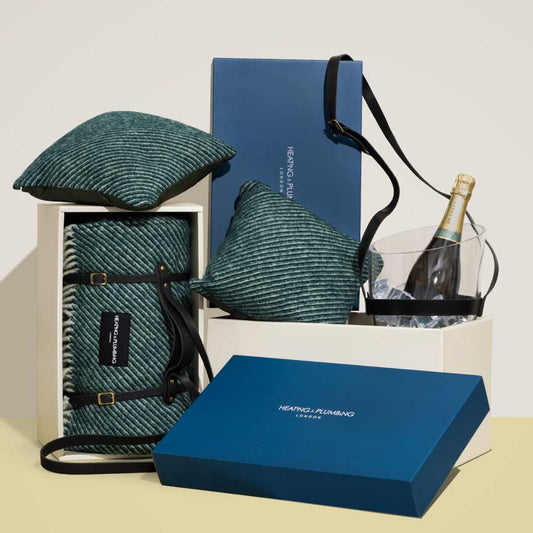
Then comes the part almost everyone forgets. A chilled bottle left standing on a table, or worse in the sun, gives up its coolness alarmingly fast. Keeping it cold through the toast is exactly what a champagne bucket or cooler is for, a simple ice-and-water bath that holds the temperature while you actually enjoy the party. And for picnics and days in the garden, one of our cooler bags carries the whole idea outdoors. Chill it once, keep it cold, and let the bottle be the last thing you have to think about.
FAQ
Does unopened champagne go bad?
Not in the way food does. Unopened champagne kept cool and dark stays safe for years and won't harm you. What it slowly loses is freshness and fizz. Non-vintage is at its best within three to four years, vintage within five to ten. After that it simply tastes more mature, not dangerous.
Is champagne I bought 3 years ago still good to drink?
Almost certainly, yes. Three years is comfortably within the drinking window for both non-vintage and vintage champagne. Check that the cork is flush and not leaking, the colour is still pale gold, and it hisses when opened. If all three look right, pour a glass and enjoy it.
Can you drink 20-year-old champagne?
You can, and it's safe, though whether you'll love it depends on the bottle and the storage. A vintage or prestige cuvée kept cool and dark can be wonderful at twenty years, deep and toasty. A basic non-vintage will likely taste tired and flat. Look for pale colour and a gentle hiss.
Can you store champagne in the fridge?
For the short term, yes. The fridge is ideal for the days or weeks before you drink a bottle, and essential once it's opened. What it isn't good for is long-term storage: it's too cold and dry, and the door's light and vibration slowly disturb the wine. For months or years, choose a cool, dark cupboard instead.
Does the teaspoon-in-the-neck trick keep champagne fizzy?
No. A metal spoon in the bottle neck can't create an airtight seal, so the carbon dioxide that makes the bubbles escapes just the same. A proper sparkling-wine stopper clamped onto the bottle, kept in the fridge, is the only reliable way to hold the fizz for a day or two after opening.